Shifts in Genre Preferences Among Remote Teams Using Shared Browser-Based Casual Simulations for Quick Collaborative Breaks on Corporate Networks
Harper Washington · Oct 12, 2026
Shifts in Genre Preferences Among Remote Teams Using Shared Browser-Based Casual Simulations for Quick Collaborative Breaks on Corporate Networks
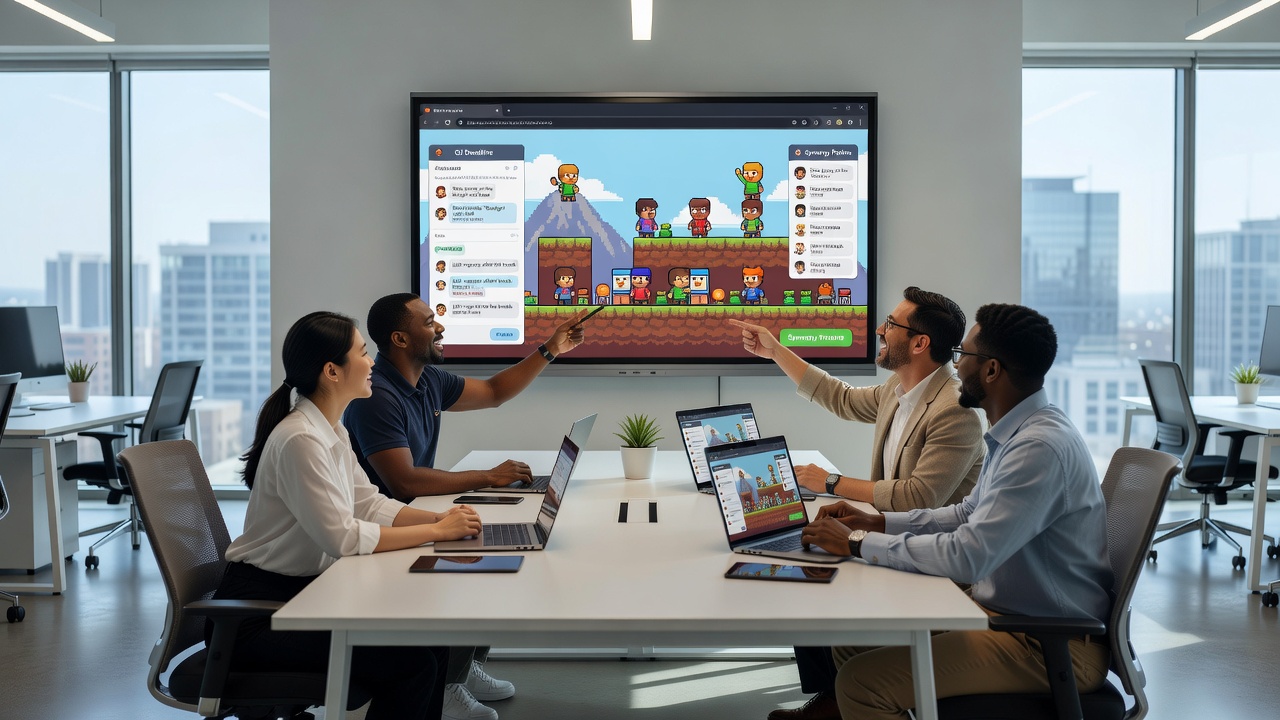
Remote teams have increasingly turned to shared browser-based casual simulations for brief collaborative breaks on corporate networks, and data collected through October 2026 shows clear movements in the genres that dominate these sessions. Observers note that preferences have moved away from purely individual puzzle formats toward simulations emphasizing resource management, city building, and light strategy elements that multiple participants can influence simultaneously through shared links or synchronized browser windows. Researchers tracking activity on corporate intranets report that these shifts align with changes in team structures, where distributed workers seek activities that maintain connection without requiring additional software installations or accounts.
Studies conducted by academic groups in 2025 and early 2026 document rising participation in simulation titles that support quick entry points, such as farm management or small-scale logistics scenarios, because these formats permit incremental contributions from several users during short intervals. Figures from network monitoring tools indicate that session lengths have stabilized around eight to twelve minutes on average, with teams favoring titles that allow parallel actions rather than sequential turns. This pattern emerged more strongly after companies updated firewall policies to permit browser traffic to approved game portals, creating controlled environments where employees could access the same simulation instance across different time zones.
Observed Changes in Genre Selection Patterns
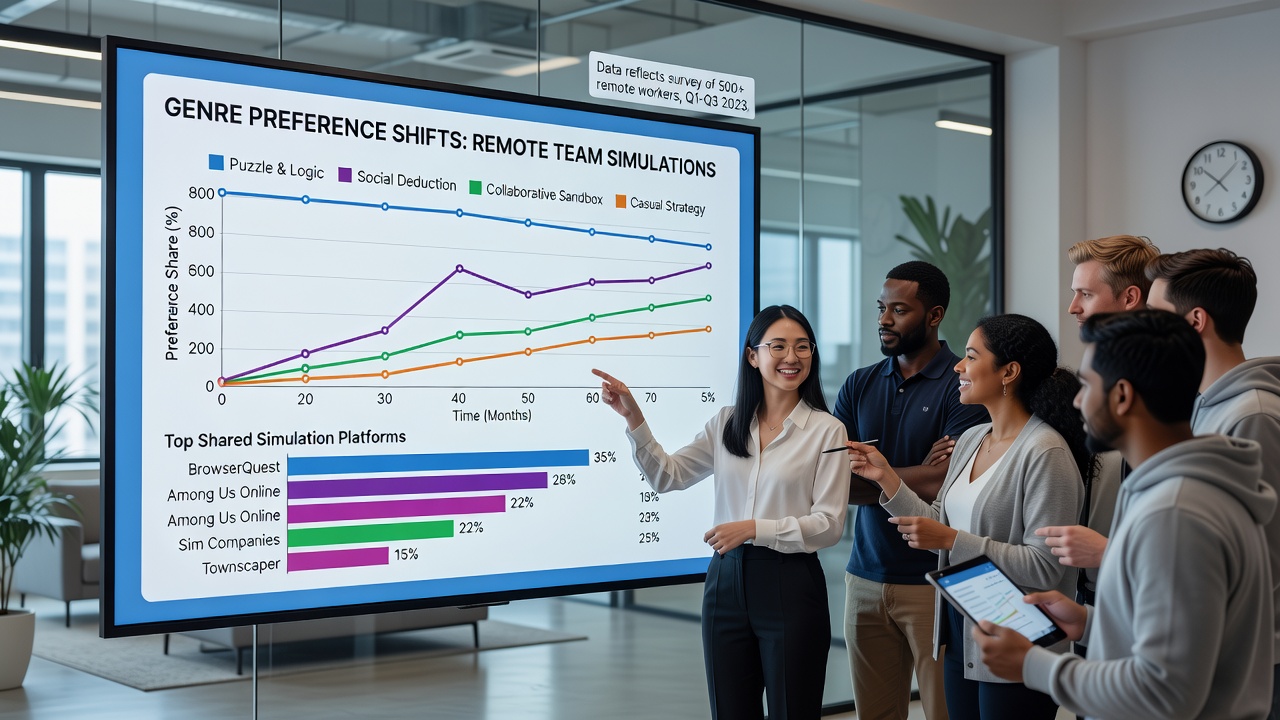
Analysis of usage logs from mid-sized technology firms reveals that strategy-oriented simulations gained ground over arcade-style or reflex-based options by a margin of nearly thirty percent between January and October 2026. Those who studied the logs point to the appeal of adjustable difficulty settings and visible progress indicators, which let participants resume or hand off tasks without losing momentum. One research project at a European university found that teams using these simulations reported higher instances of cross-departmental interaction, because the shared interfaces encouraged brief discussions about in-game decisions that carried over into work channels.
Corporate network administrators have observed that simulation genres requiring minimal visual effects load faster on standard office hardware, reducing latency complaints during peak afternoon windows. Data patterns further indicate that preference for cooperative farming or logistics simulations peaks between 1:30 p.m. and 3:00 p.m. local time across multiple regions, coinciding with scheduled micro-breaks in distributed calendars. Workers in North American offices show stronger uptake of titles with modular building components, while teams in Asia-Pacific regions lean toward scenarios involving supply chain coordination, according to aggregated traffic reports.
Technical and Organizational Factors Driving the Trends
Browser-based delivery remains central to these activities because it bypasses installation barriers and integrates with existing single-sign-on systems used by many organizations. Network security teams have implemented allow-lists that prioritize lightweight WebGL applications, enabling simulations to run consistently whether accessed from laptops or mobile devices connected through virtual private networks. Research from the Pew Research Center highlights that companies adopting such controlled access report steadier employee retention metrics compared with those maintaining stricter blocks on all entertainment traffic.
Organizational policies also influence genre selection, as managers often endorse simulations that include optional goal-setting features resembling project management tools. These features let teams set collective targets within the game environment, turning brief sessions into informal planning exercises. Statistics compiled by the Australian Bureau of Statistics on workplace digital practices show similar patterns among remote cohorts, where simulation usage correlates with departments that already schedule regular virtual check-ins. The result is a feedback loop in which popular titles receive updates that further emphasize collaborative mechanics, reinforcing the cycle of preference shifts.
Regional and Sectoral Variations in Adoption
Sector-specific data from October 2026 illustrates that software development teams adopt shared simulations at higher rates than finance or legal groups, largely because the former already operate within flexible browser ecosystems. European organizations following EU digital workplace guidelines have documented greater experimentation with educational simulation variants that incorporate basic data visualization, while North American counterparts focus on entertainment-focused titles that remain strictly non-competitive. Observers tracking these differences note that the underlying driver remains consistent: the need for low-friction activities that fit within corporate security perimeters and accommodate varying connection speeds.
One case study involving a Canadian remote-first marketing firm demonstrated how genre preferences evolved after the introduction of a shared simulation portal. Initial sessions centered on simple matching mechanics gave way to construction and expansion simulations once teams realized they could maintain parallel projects across time zones. Usage metrics collected over six months showed a forty-two percent increase in cross-team participation when the simulation allowed real-time cursor visibility for multiple users.
Conclusion
Patterns established through 2026 indicate that genre preferences among remote teams will continue to favor browser-based casual simulations supporting shared input and visible collective progress. Corporate networks that accommodate these activities under controlled conditions provide environments where such shifts can be measured and refined. Ongoing monitoring by research institutions and workplace analytics platforms will determine whether these trends stabilize or evolve further as hybrid work arrangements mature.