Charting Community-Driven Event Calendars for Limited-Time Browser Arcade Experiences
Alex Jung · Sep 14, 2026
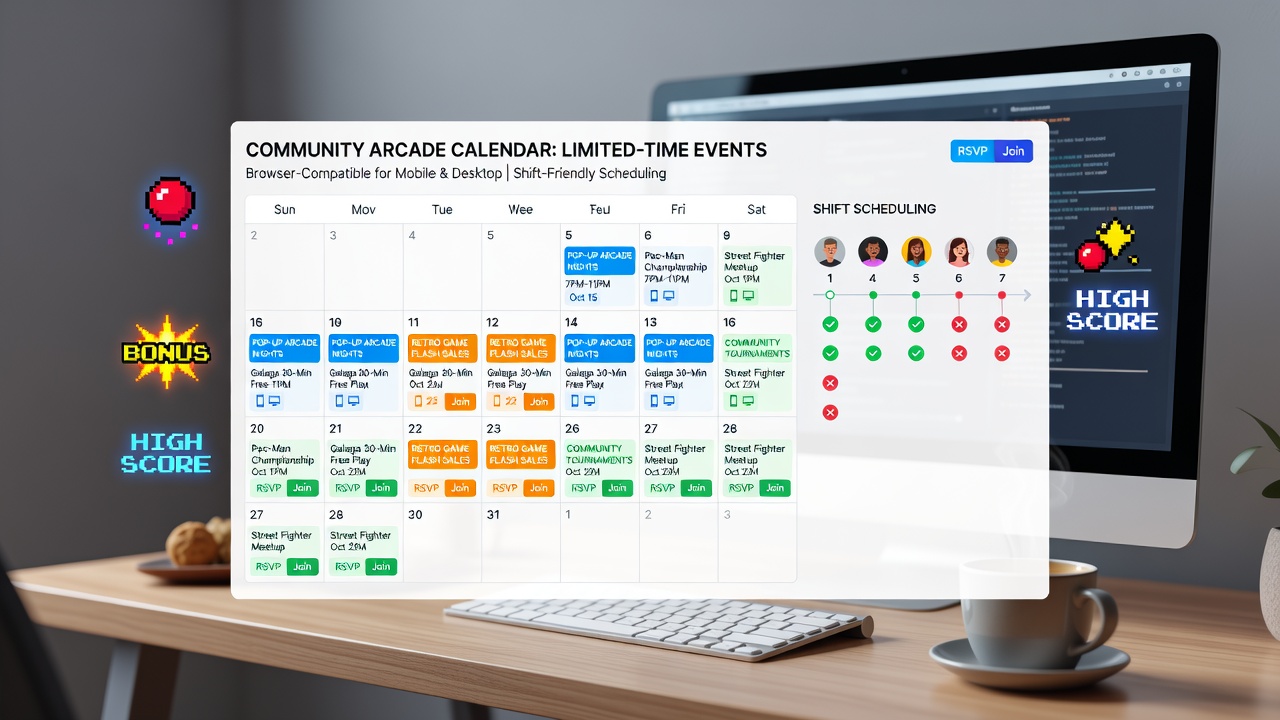
Charting Community-Driven Event Calendars for Limited-Time Browser Arcade Experiences
Community-driven event calendars have emerged as central hubs where participants coordinate access to browser-based arcade titles that appear for fixed windows, often spanning just a few days or weeks, and these resources accommodate both mobile and desktop environments without requiring downloads or installations. Observers note that such calendars typically rely on volunteer moderators who aggregate submissions from players, developers, and platform operators, creating searchable listings that filter events by device compatibility, time zones, and session length suitability.
Structure and Maintenance of Shared Calendars
These calendars operate through collaborative platforms where contributors post details on limited-time arcade releases, including start and end dates, supported browsers, and performance notes for various hardware setups, while shift-based employees frequently consult them during irregular breaks to identify quick sessions that fit between work rotations. Data from workplace technology surveys indicate that employees on nonstandard schedules represent a growing segment of users who access these tools via smartphones during commutes or desktop terminals during overnight shifts, and the listings often include tags for low-bandwidth options or touch-optimized controls to ensure smooth transitions across device types.
Device Compatibility Features
Calendar entries emphasize cross-platform functionality by specifying HTML5 or WebGL implementations that run consistently on Android, iOS, Windows, and macOS browsers, allowing users to switch mid-session when moving from a personal phone to a shared workstation. Researchers at institutions tracking digital leisure patterns have documented how these specifications help reduce setup friction, with community contributors verifying compatibility through user reports that highlight issues like screen scaling or input lag on particular models.
Relevance for Shift-Based Employees
Shift workers in sectors such as logistics, healthcare, and manufacturing benefit from calendars that highlight events aligned with common break patterns, including short puzzle or shooter rounds designed for fifteen- to thirty-minute intervals. According to figures from labor and technology studies across North America and Europe, many such employees report using browser games during staggered rest periods, and the calendars incorporate timezone converters plus recurring event reminders that sync with personal scheduling applications. What's notable is how contributors often add notes on peak server loads during evening or early-morning hours to help users avoid crowded sessions that could interrupt limited free time.
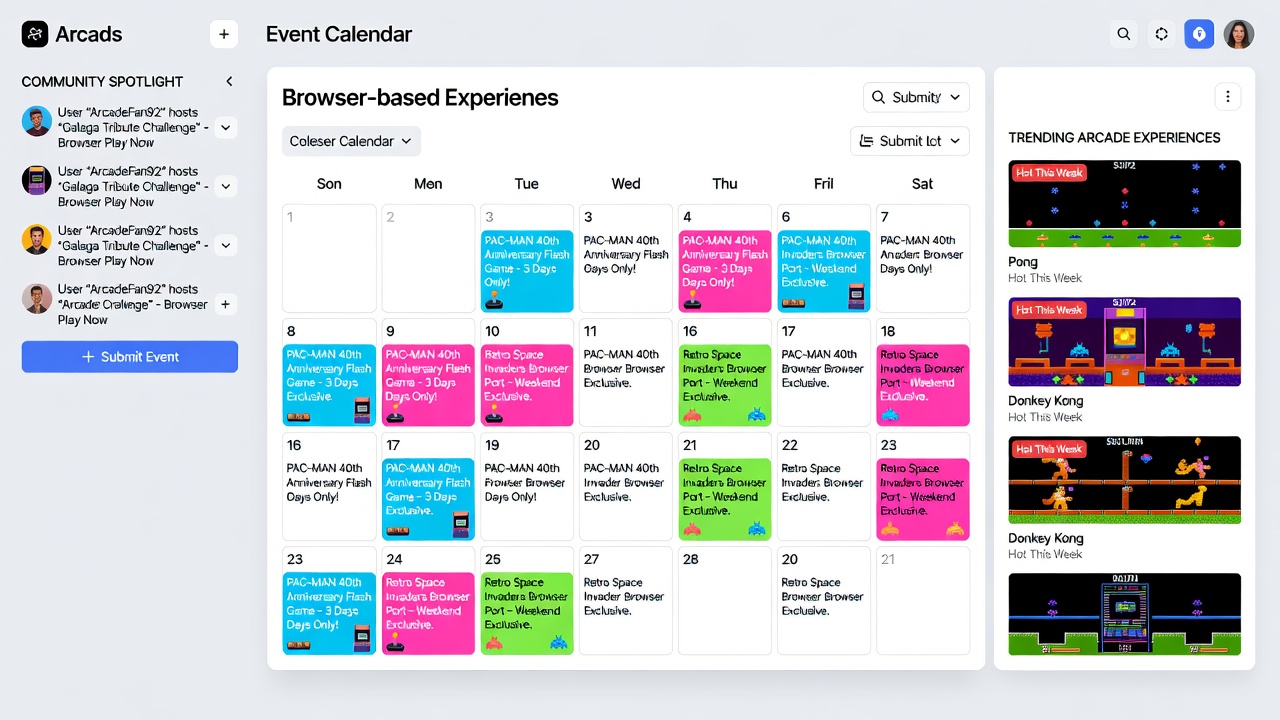
By September 2026, several established calendars had expanded their coverage to include seasonal arcade revivals timed around global holidays, drawing increased participation from international contributors who supply localized language options and region-specific server recommendations. Community moderators track participation metrics that show spikes in updates during periods when new browser titles launch, and these updates frequently reference performance benchmarks tested on mid-range mobile devices common among rotating shift staff.
Integration with Broader Discovery Systems
Many calendars link to or mirror data from established game indexes, enabling users to cross-reference event listings with persistent collections that remain available outside limited windows. Industry reports from organizations monitoring digital entertainment trends note that this interconnection supports sustained engagement, particularly when calendars flag titles that transition from temporary events into permanent browser libraries. Participants contribute metadata such as average session duration and control schemes, which helps shift employees quickly assess whether an upcoming event matches available downtime on either desktop or handheld setups.
External data sources occasionally feed into these systems, including aggregated usage statistics released by regional digital access initiatives. For instance, Statistics Canada reports on internet-enabled leisure activities provide context for how portable device adoption influences event timing preferences among nonstandard schedule workers, while Eurofound analyses of working patterns supply insights into break distribution that calendar maintainers reference when prioritizing event visibility.
Future Directions and Expansion
Developers and community organizers continue refining notification systems within these calendars to deliver push alerts tailored to user-selected time windows, reducing the need for constant manual checking during variable shifts. Observers have recorded growth in features such as collaborative voting on upcoming event priorities and integration with productivity tools that block notifications during active work periods. These enhancements maintain the calendars' focus on accessibility, ensuring that limited-time arcade experiences remain reachable across diverse device ecosystems without additional software requirements.
Conclusion
Community-driven event calendars serve as dynamic repositories that connect shift-based employees with browser-compatible arcade opportunities by emphasizing device flexibility, precise timing, and volunteer-verified details. As participation expands through 2026 and beyond, the systems demonstrate how coordinated information sharing supports access to temporary digital experiences within the constraints of irregular work schedules.